
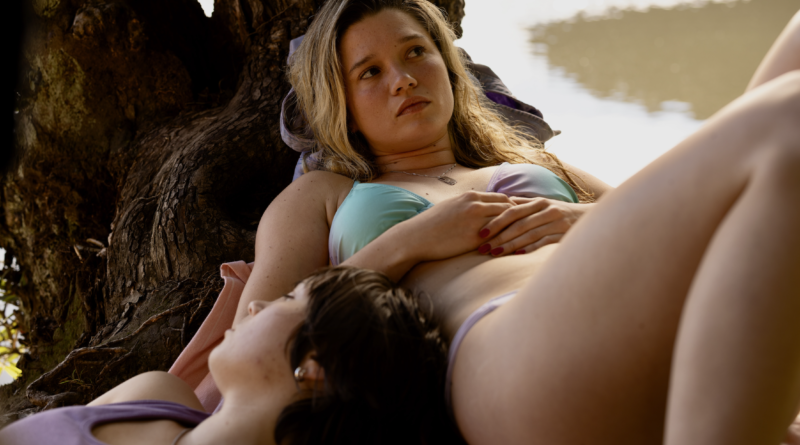
Review: Big Girls Don’t Cry
Big Girls Don’t Cry Is a Nostalgic Look at Growing Up and Finding Yourself
Some coming-of-age films make you nostalgic for your teenage years. Others remind you just how confusing, awkward and frustrating those years actually were. Big Girls Don’t Cry manages to do both. Written and directed by Paloma Schneideman, Big Girls Don’t Cry takes us back to rural New Zealand in 2006, following 14-year-old Sid Bookman (Ani Palmer) as she navigates friendship, identity, sexuality and the overwhelming desire to fit in.
Set over one transformative summer, the film captures that awkward stage between childhood and adulthood when you’re desperate to be treated like a grown-up but haven’t quite figured out who you are yet. And while I really appreciated the film, I have to admit that Sid frustrated me more than a few times. But maybe that’s exactly the point.
One of the first things I loved about Big Girls Don’t Cry was the setting. From MSN Messenger and old-school cell phones to the fashion and overall atmosphere, the film really transports you back to the mid-2000s. As someone who grew up during that era, there was something incredibly nostalgic about seeing those little details again. It was a time when the internet was becoming a bigger part of our lives, but social media hadn’t completely taken over the way it has today. You could still feel that excitement of discovering a world outside your own through a computer screen. The film captures that period really well, especially the way teenagers were beginning to explore their identities through technology, pop culture and the people around them. But what makes the story interesting is that, despite taking place in 2006, so much of what Sid experiences still feels relevant today. The technology might have changed, but that desire to be accepted? That’s something teenagers are still dealing with.
I’ll be honest: there were moments when I really didn’t like Sid. Throughout the film, she constantly tries to impress people she thinks are cooler than her. She lies, makes questionable decisions and even hurts people who genuinely care about her, all because she wants to fit in. There were so many moments when I found myself thinking, Why are you doing this? Just be yourself! And as frustrating as that was to watch, I also had to remind myself that she’s only 14. When you’re that young, being accepted can feel like the most important thing in the world. You’re still figuring out who you are, and sometimes that means pretending to be someone you’re not. That’s what I found particularly interesting about the film. Sid isn’t necessarily written to be a character you agree with. She’s insecure and desperate for validation. And while I didn’t always like her decisions, I could understand where they were coming from. In many ways, that’s what made the film feel so realistic. Growing up isn’t always pretty, and teenagers don’t always make the right decisions. Sometimes they make incredibly frustrating ones. Ani Palmer does a great job of bringing that complexity to life. Her performance feels natural, and you can see how much Sid wants to be loved and accepted, even when she’s going about it in all the wrong ways.
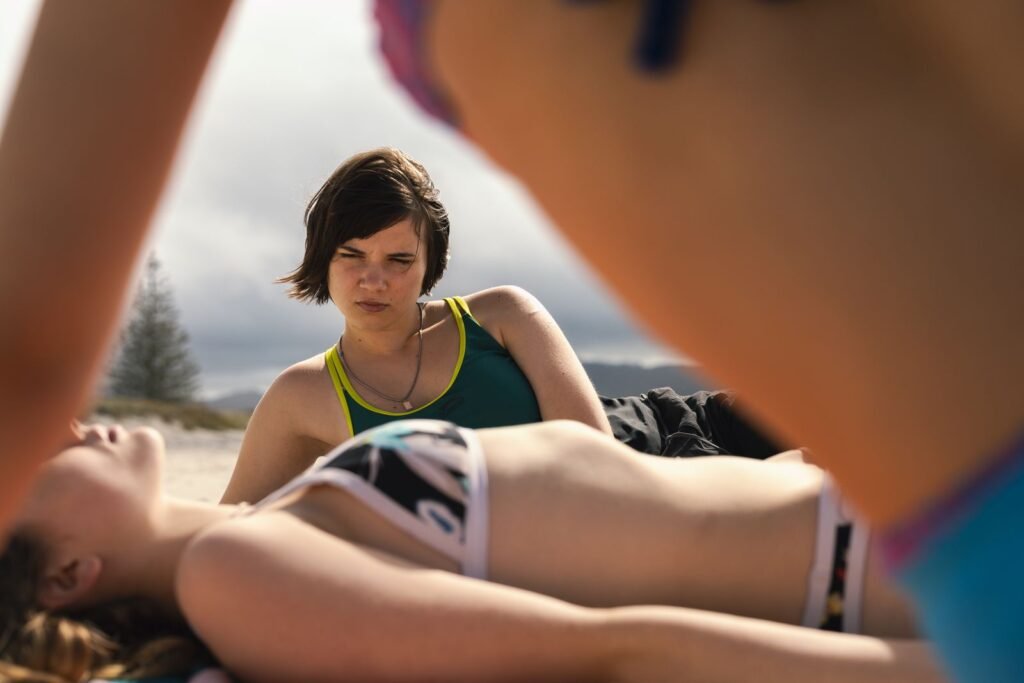
Another aspect I appreciated was how the film approached Sid’s emerging sexuality. As someone who grew up without seeing much queer representation in the movies and television I watched, it was refreshing to see this part of adolescence portrayed in such a natural way. Sid begins developing feelings toward Freya (Rain Spencer), an older young woman who enters her life and introduces her to a different world. What’s interesting is that Sid doesn’t necessarily understand those feelings herself. Does she want to be like Freya? Does she want Freya to like her? Or is she beginning to discover something about her own sexuality? That confusion feels incredibly believable, especially at 14. I appreciated that the film didn’t turn her sexuality into the only thing defining her character. Instead, it was one part of a much bigger story about identity, belonging and growing up. And I think that’s important because discovering who you are isn’t always a dramatic moment of realization. Sometimes it’s confusing, uncomfortable and something you slowly begin to understand over time.
One thing that stood out to me was how the film explores the vulnerability of being a young teenager surrounded by older people. Sid desperately wants to be seen as mature, and throughout the film, she puts herself in situations that she’s not necessarily emotionally prepared to navigate. Some of these moments were genuinely uncomfortable to watch. There’s an interesting contrast between how grown-up Sid wants to appear and how young she actually is. As an adult watching the film, you can recognize the warning signs and understand why certain situations are inappropriate or potentially dangerous. But from Sid’s perspective, she’s simply trying to belong.I thought the film did a good job of showing that difference without making everything feel overly dramatized.It also reminded me how vulnerable teenagers can be when they’re constantly seeking approval from the people around them, particularly when those people are older or have more influence.And that made some of Sid’s decisions even harder to watch.
The film doesn’t try to make adolescence look glamorous or give every situation a perfect resolution. Instead, it shows how awkward, messy and emotionally confusing those years can be. The friendships aren’t always healthy. The decisions aren’t always smart. And the people Sid looks up to don’t necessarily have everything figured out themselves.There’s something very relatable about that.When you’re younger, it’s easy to assume that older people know exactly what they’re doing. But as you grow up, you realize that everyone is figuring things out in their own way. Paloma Schneideman captures that uncertainty through a story that feels intimate and personal rather than overly polished. To me, that’s a sign that the storytelling and performances were doing something right.
And Big Girls Don’t Cry captures that side of adolescence really well.
Watch the trailer for Big Girls Don’t Cry below
Big Girls Don’t Cry releases In Select Theaters October 9, 2026